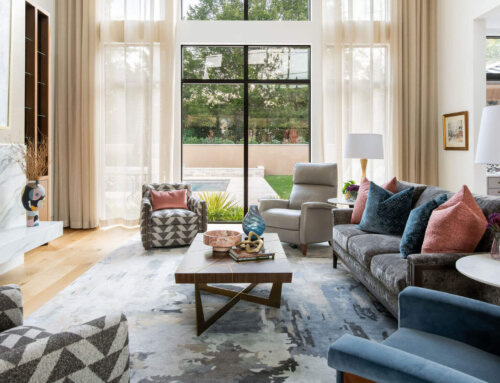

Think of the last time your foot hit a plush rug that made you go “mmm” or the last time you saw different faces of a tile glisten in the sun. This experience boils down to one of designers’ favorite things: texture. Texture is defined as the physical feel, appearance, or tactile quality of a surface, and it offers so much to space. Design is all about balance, you never want too much or too little of something. Too much color can feel overwhelming, but too little contrast can be bland and unenticing. One of the most difficult to master in design is texture. If the goal is coastal, there might be stucco to resemble the grittiness of sand, organic shapes to call back to the ever-changing flow of the water, and natural jute rugs to honor the leafy plants. If the space is more modern, textures might not be as organic, but rather more geometric and linear. These physical characteristics are key elements in crafting the moments of the space—they take one-dimensional designs and turn them into tactile experiences. There are a plethora of ways texture can be introduced into space, and here are some key locations you can find them!
1. Textured Walls
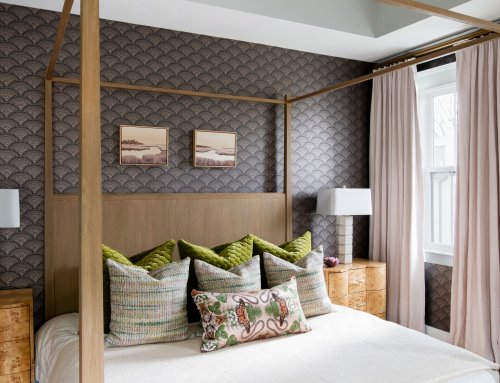
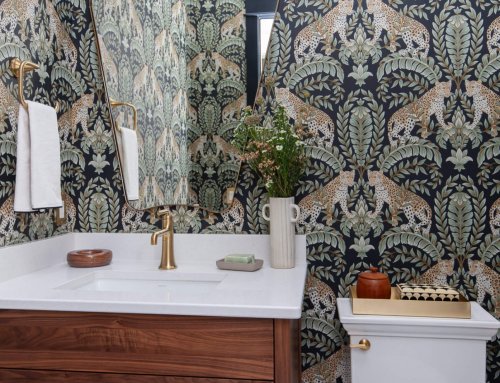
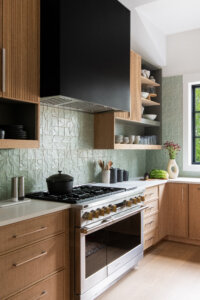
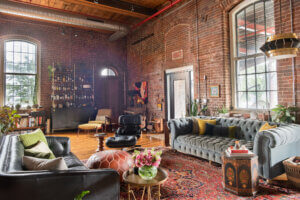
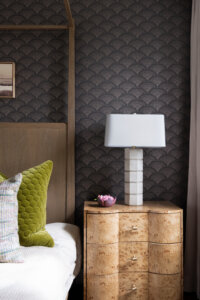
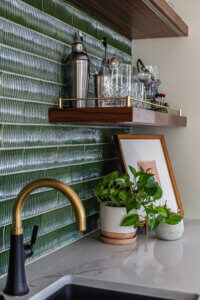
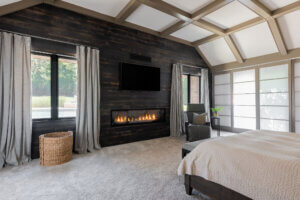
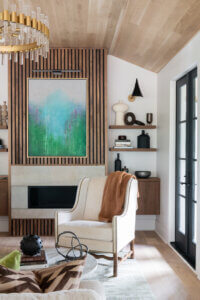
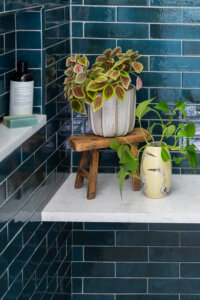
Walls provide one of the largest opportunities to introduce texture into a space. They are often the largest uninterrupted surface in a room, making them one of the most powerful places to establish texture. Whether through limewash, wallpaper, wood paneling, tile, or decorative plaster, textured walls create depth and visual interest while setting the overall mood of the room. They catch light differently throughout the day, producing subtle shadows and movement that flat paint simply cannot achieve! Textured walls create depth long before artwork or furniture enters the space.
2. Textured Ceilings
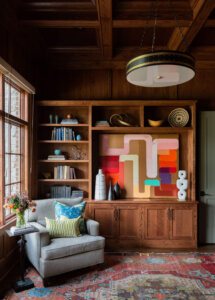
Often referred to as the “fifth wall,” ceilings are an unexpected place to layer in texture. Wood beams, tongue-and-groove paneling, wallpaper, coffers, or subtle plaster finishes can draw the eye upward and add warmth, dimension, and architectural character. Even subtle details, like painted shiplap or a woven wallpaper overhead, can make a room feel more intimate and thoughtfully designed. By adding texture above, the eye is naturally drawn around the room, creating a sense of balance and dimension that transforms the entire space.
3. Textured Floors
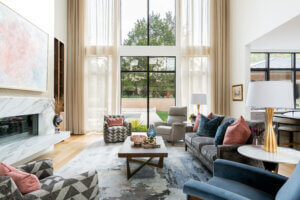
Few surfaces are experienced as directly as the floor beneath our feet. Flooring texture not only shapes the visual language of a room but also influences how the space feels physically. The cool smoothness of polished concrete offers a completely different experience from the warmth of wide-plank hardwood or the softness of a handwoven wool rug. Natural stone introduces variation through veining and uneven edges, while patterned tile adds movement and character. Layering materials—such as placing a plush area rug over hardwood or stone—creates contrast that feels inviting and lived in. Every step becomes part of the sensory experience, grounding the room in both comfort and style.
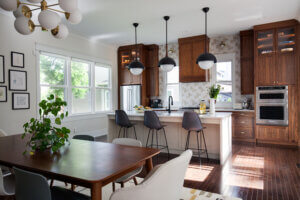
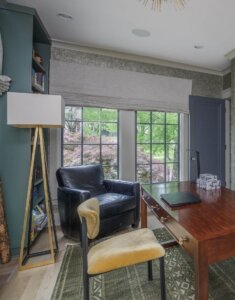
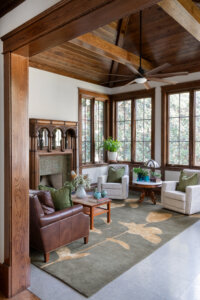
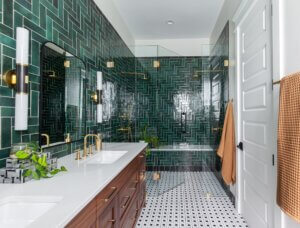
4. Textured Casegoods
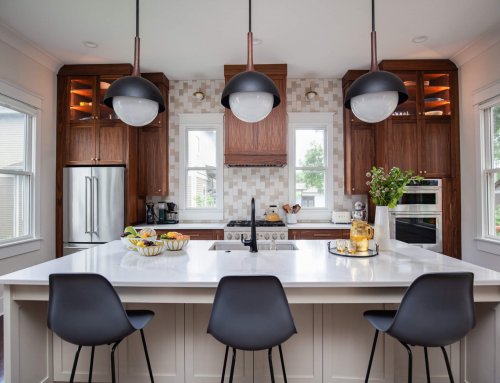
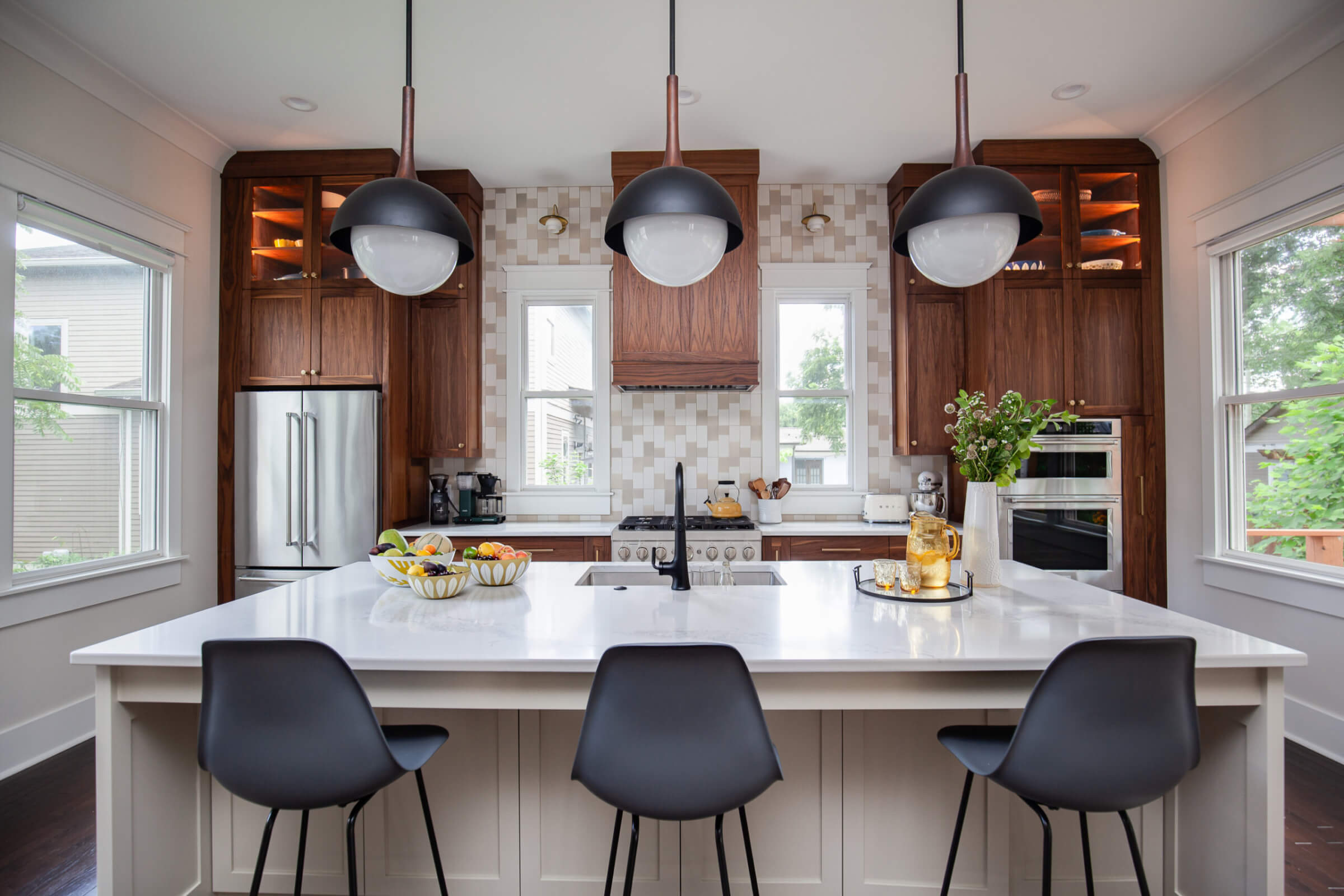
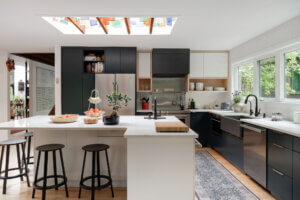
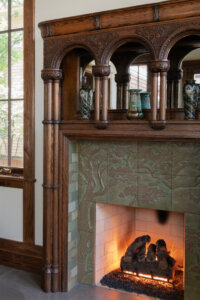
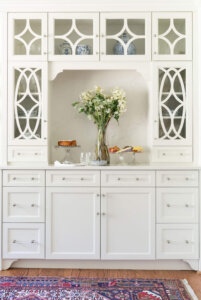
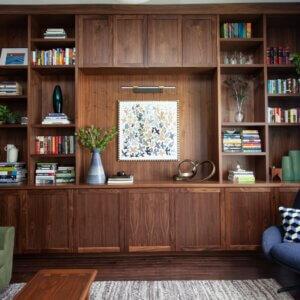
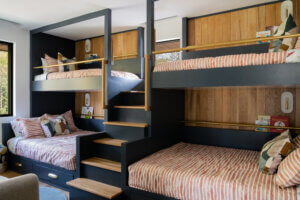
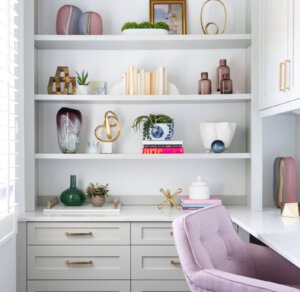
Casegoods—including cabinetry, vanities, shelving, tables, and built-in furniture—provide countless opportunities to layer texture into a design. The grain of natural wood, the richness of fluted cabinetry, the smoothness of lacquered finishes, or the cool sophistication of stone countertops all contribute to the visual complexity of a space. Even small details like reeded drawer fronts, woven cane inserts, or textured hardware can elevate otherwise simple furniture into statement pieces. These elements help break up large expanses of flat surfaces while adding personality and craftsmanship that make a room feel collected rather than manufactured.
5. Textured Softgoods
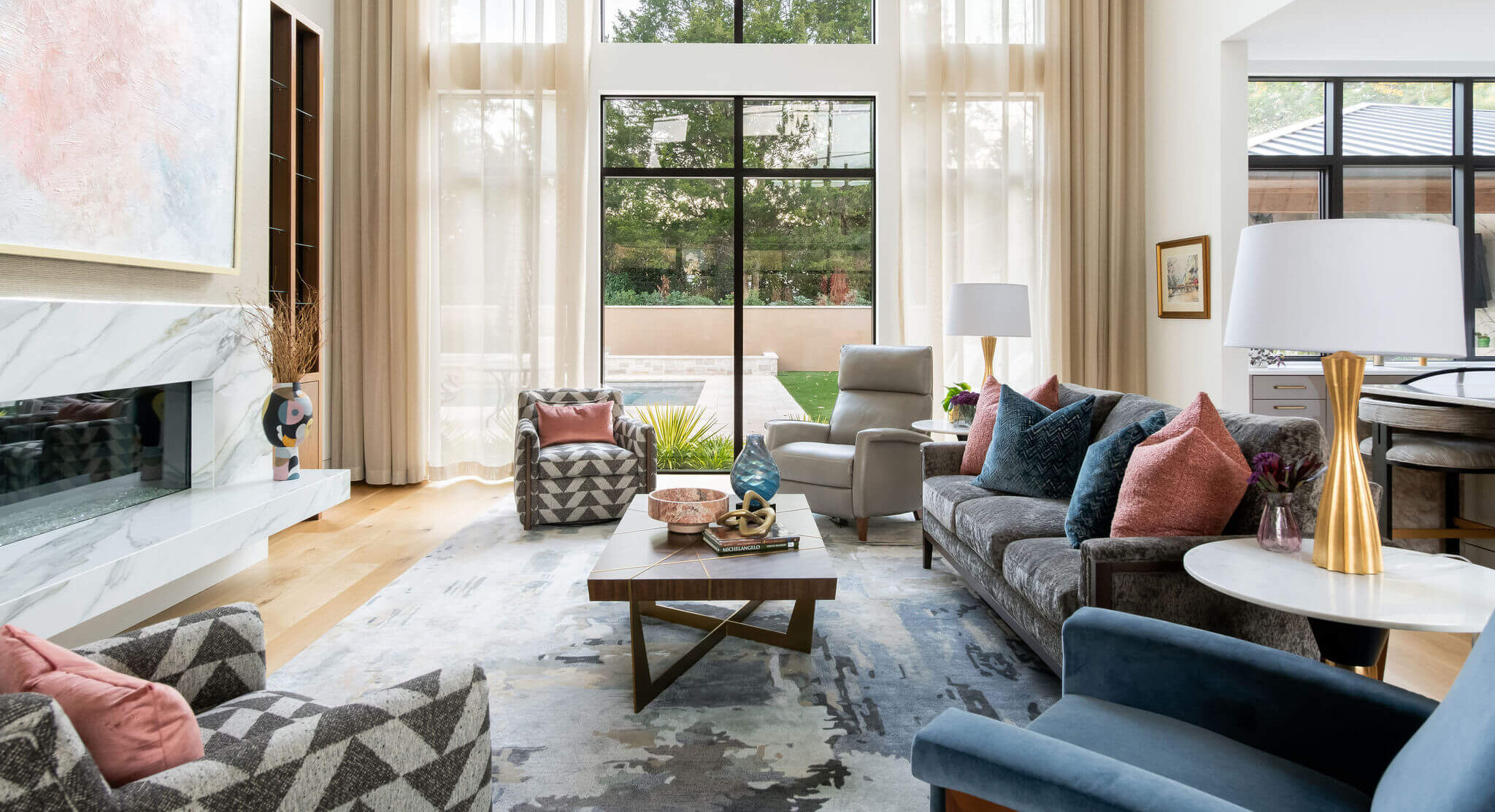
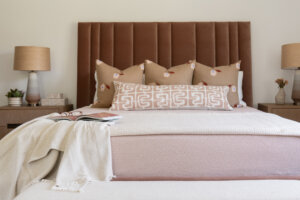
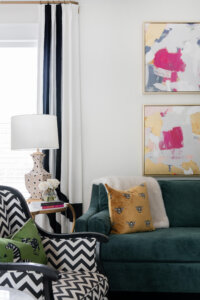
Softgoods are where comfort truly comes to life. Upholstery, drapery, bedding, pillows, and rugs soften the hard architectural elements of a room while introducing warmth and dimension. Mixing fabrics like crisp linen, luxurious velvet, chunky knit wool, buttery leather, or airy cotton creates layers that feel inviting and effortless. Texture in textiles is often subtle but incredibly impactful, encouraging people to settle in, relax, and connect with the space. A thoughtfully layered combination of fabrics creates visual richness while making a home feel comfortable, lived-in, and deeply personal.
6. Textured Accessories
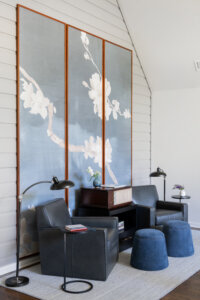
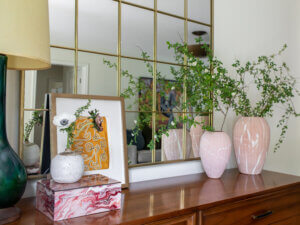
Accessories are the finishing touches that complete the story of a room, and texture is often what gives them life. Hand-thrown ceramic vases, woven baskets, sculptural objects, framed artwork, hammered metals, aged wood, books with linen covers, and leafy greenery each contribute their own tactile qualities. While these pieces may be smaller in scale, together they create moments of discovery that reward a closer look. Accessories are also one of the easiest ways to introduce seasonal texture—adding cozy knits in the winter, natural woven materials in the summer, or handcrafted objects collected from travels. They provide the final layer that makes a space feel authentic, curated, and uniquely its own.
Texture has the power to transform a space, adding warmth, depth, and personality in ways that color and pattern alone cannot. Whether you’re refreshing a single room or designing your dream home from the ground up, our team is passionate about creating beautifully layered interiors that feel as good as they look. We’d love to help bring your vision to life—get in touch with us here to start your design journey!