A 5 Question Interview About a Gorgeous New Build
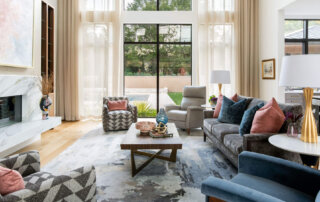
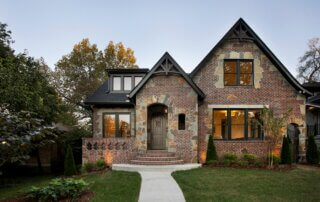
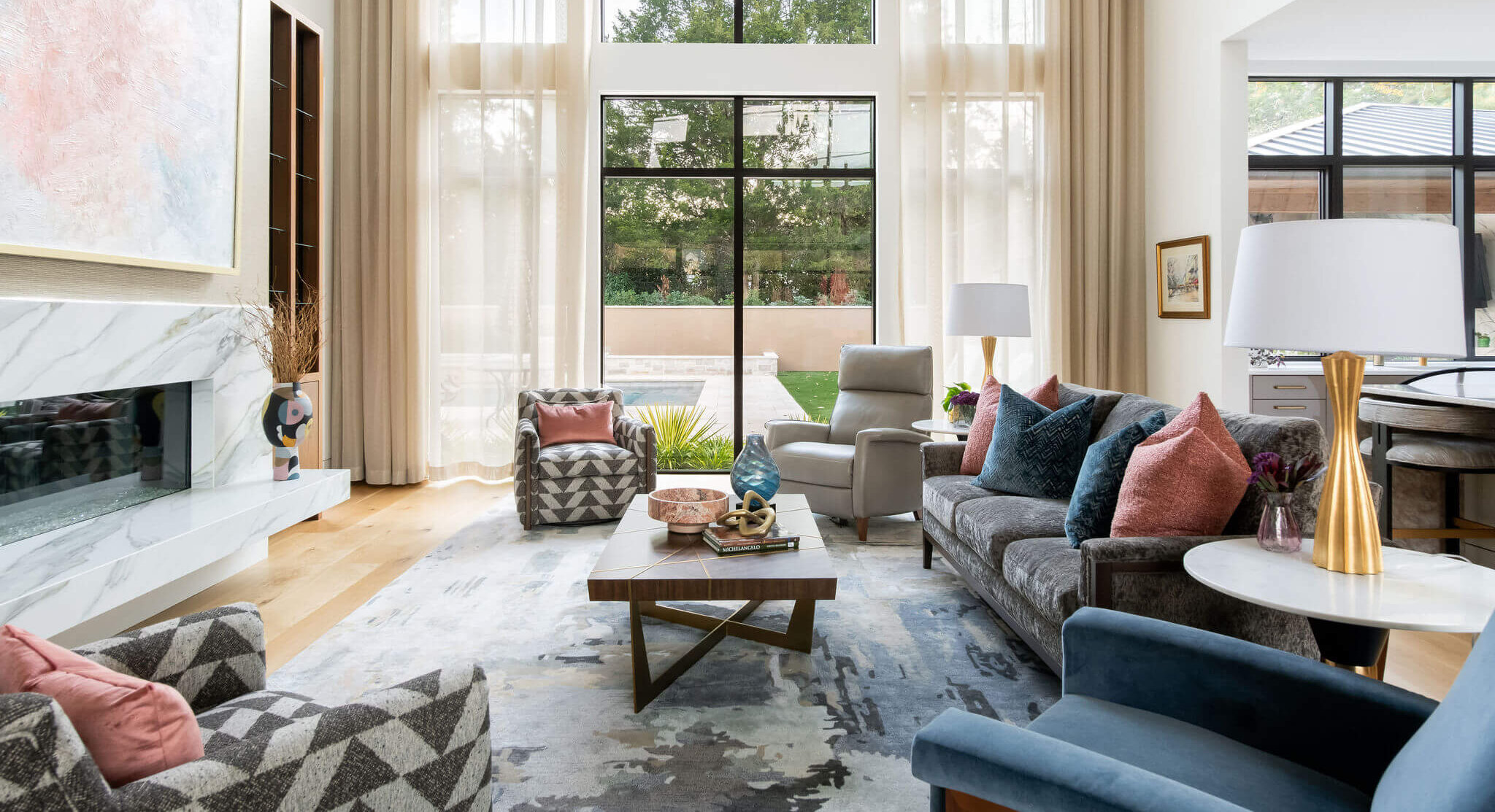
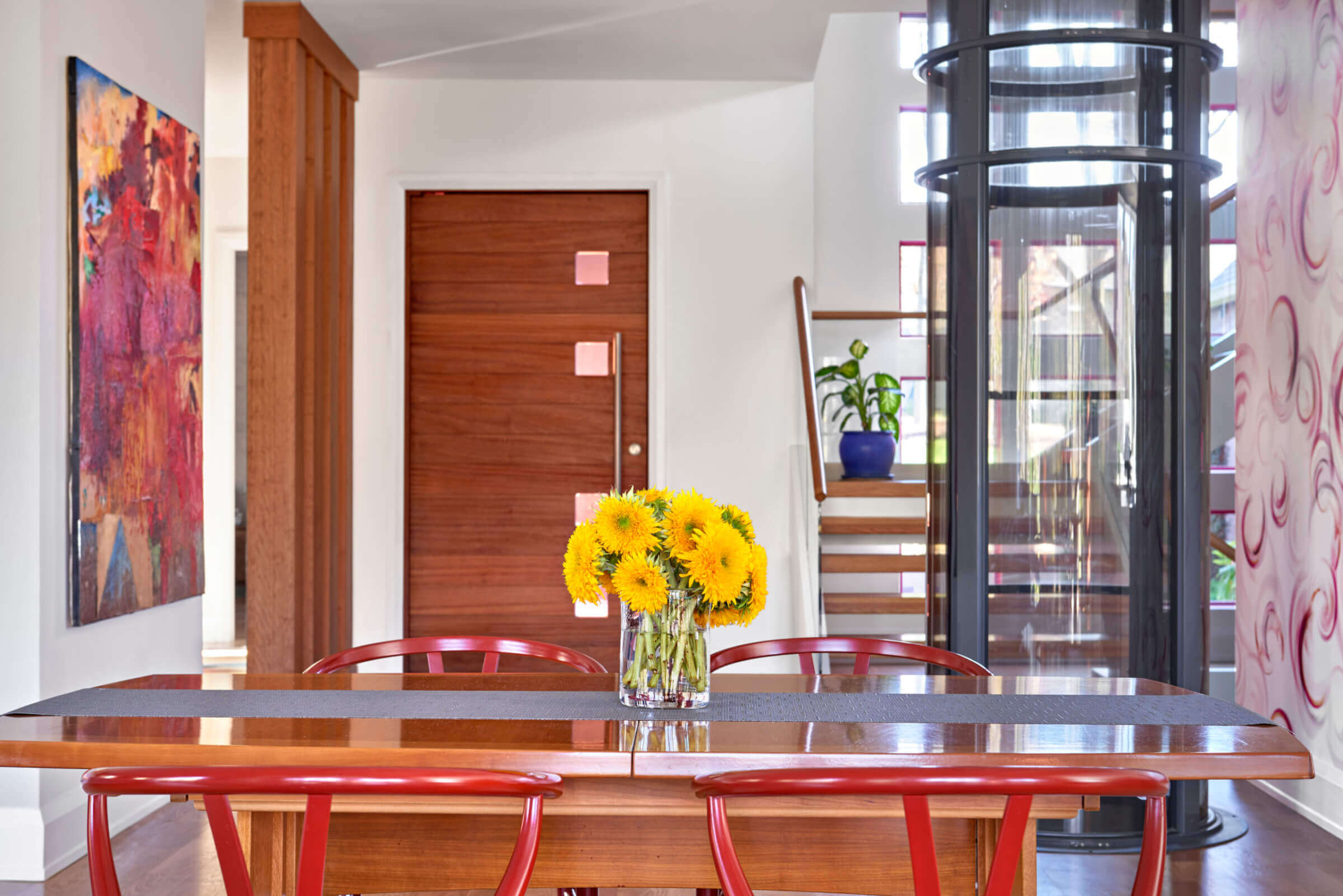
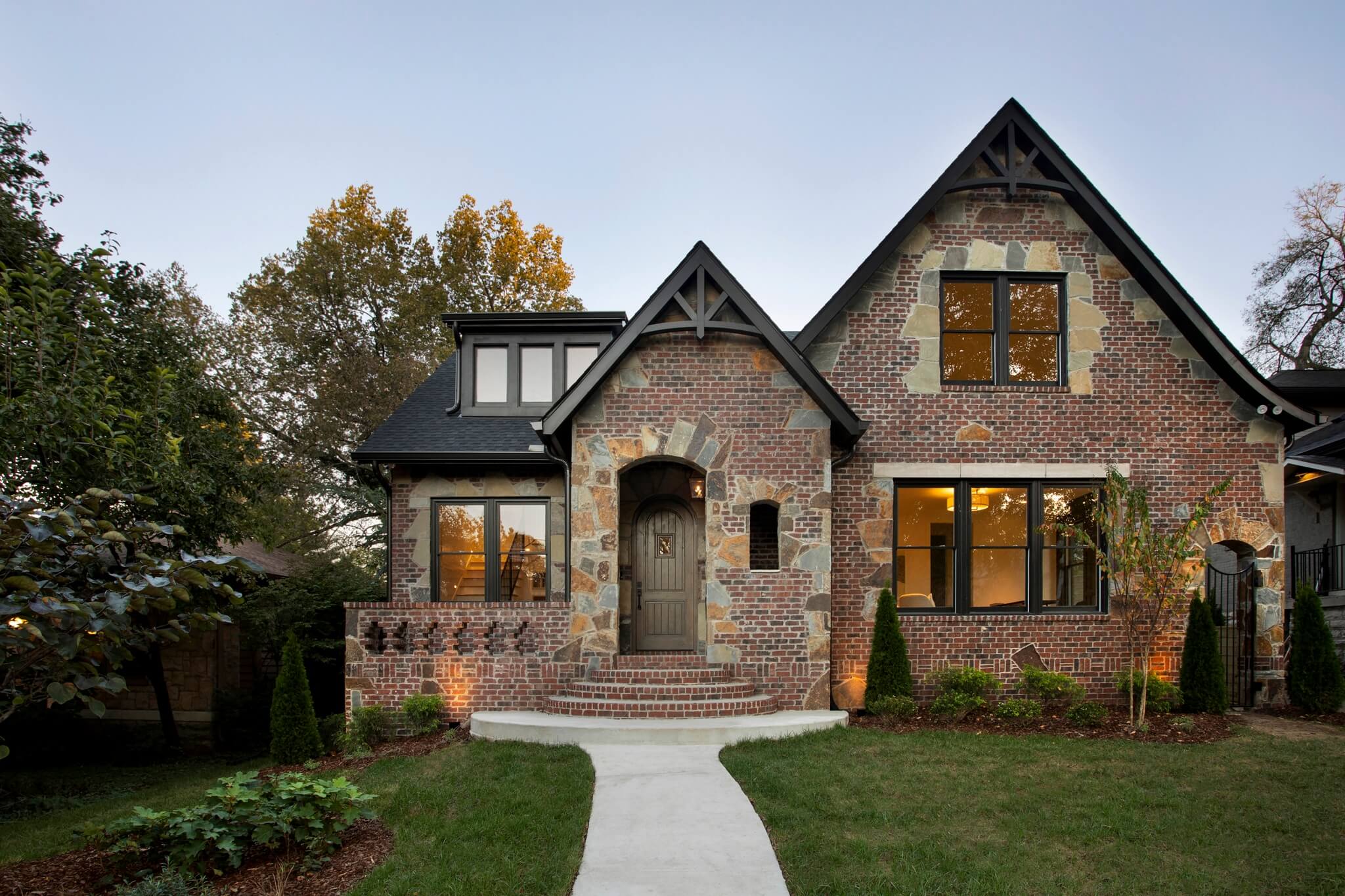
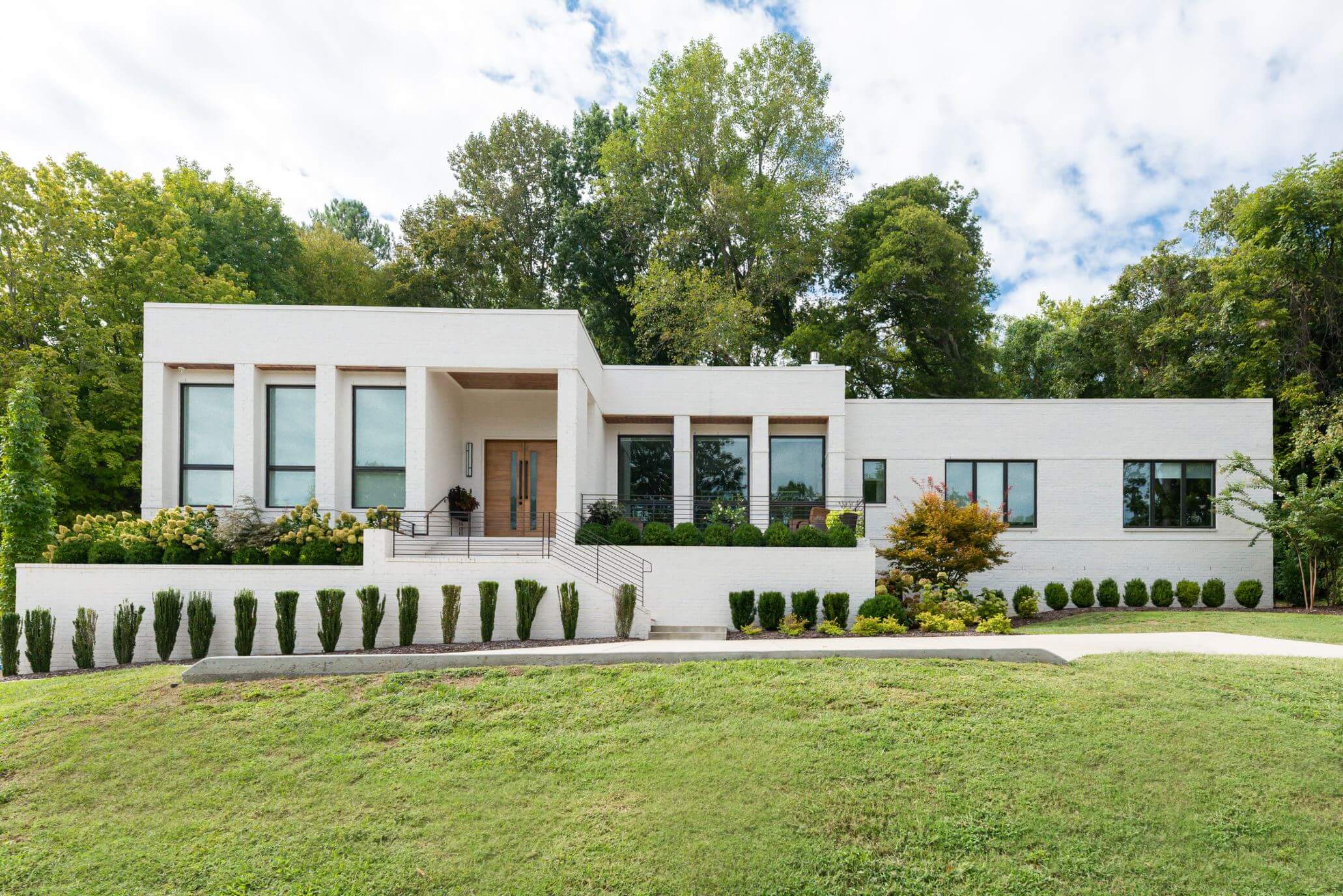
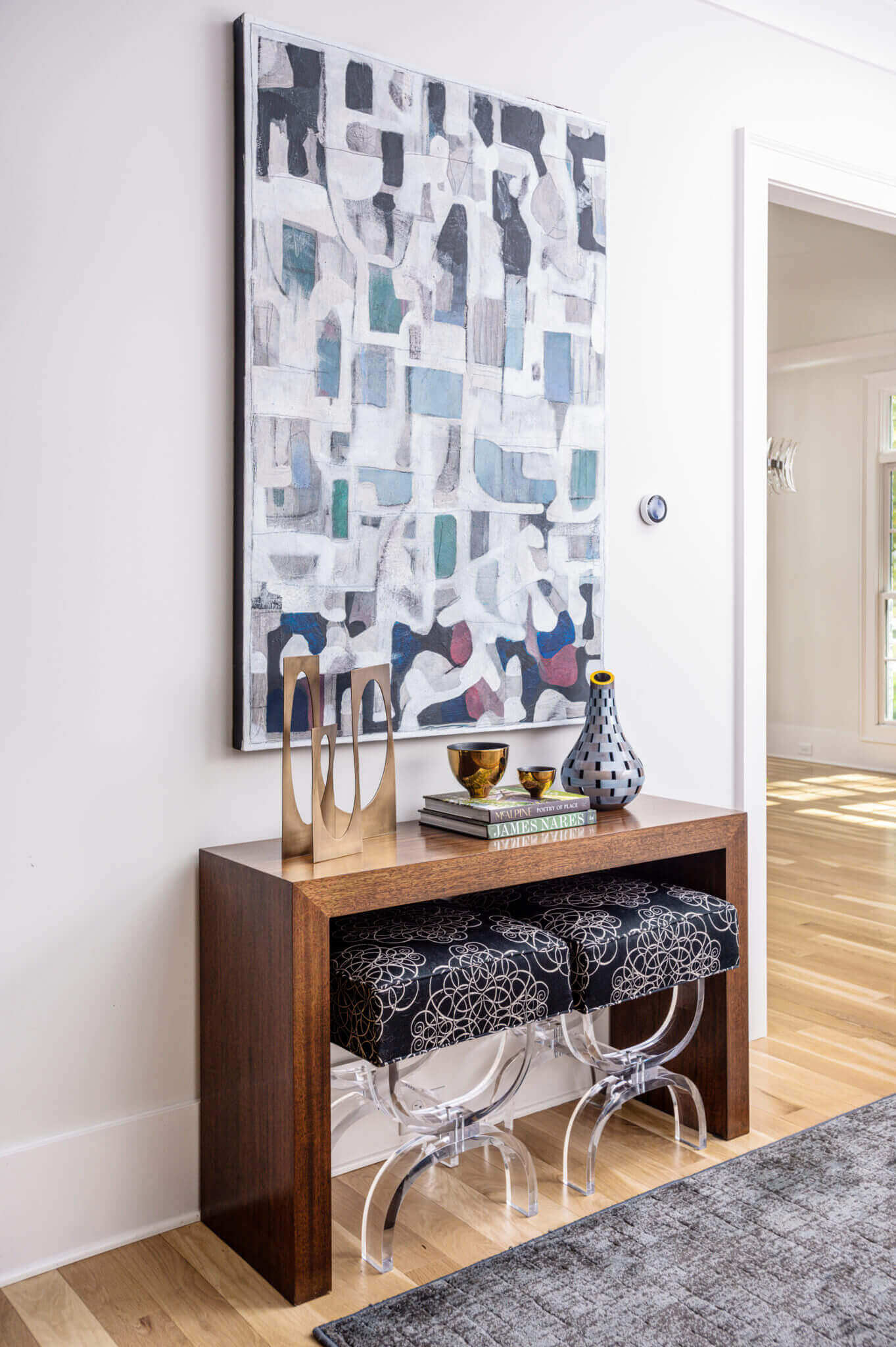
A stunning new build in Forest Hills blends playful charm, modern elegance, and thoughtful design for multi-generational living.

A stunning new build in Forest Hills blends playful charm, modern elegance, and thoughtful design for multi-generational living.
Just like a well-crafted recipe, interior styling is all about the right ingredients. From statement artwork to the perfect finishing touch of greenery, every element plays a role in creating a beautifully layered space. Whether you're mixing styles, stacking books, or experimenting with textiles, these six simple methods will help you master the art of a gorgeously styled home—no cooking required!
Step inside this reimagined Franklin farmhouse, where modern design meets natural elegance. From bold statement pieces to serene retreats, every detail has been thoughtfully curated to blend style, comfort and the beauty of nature.
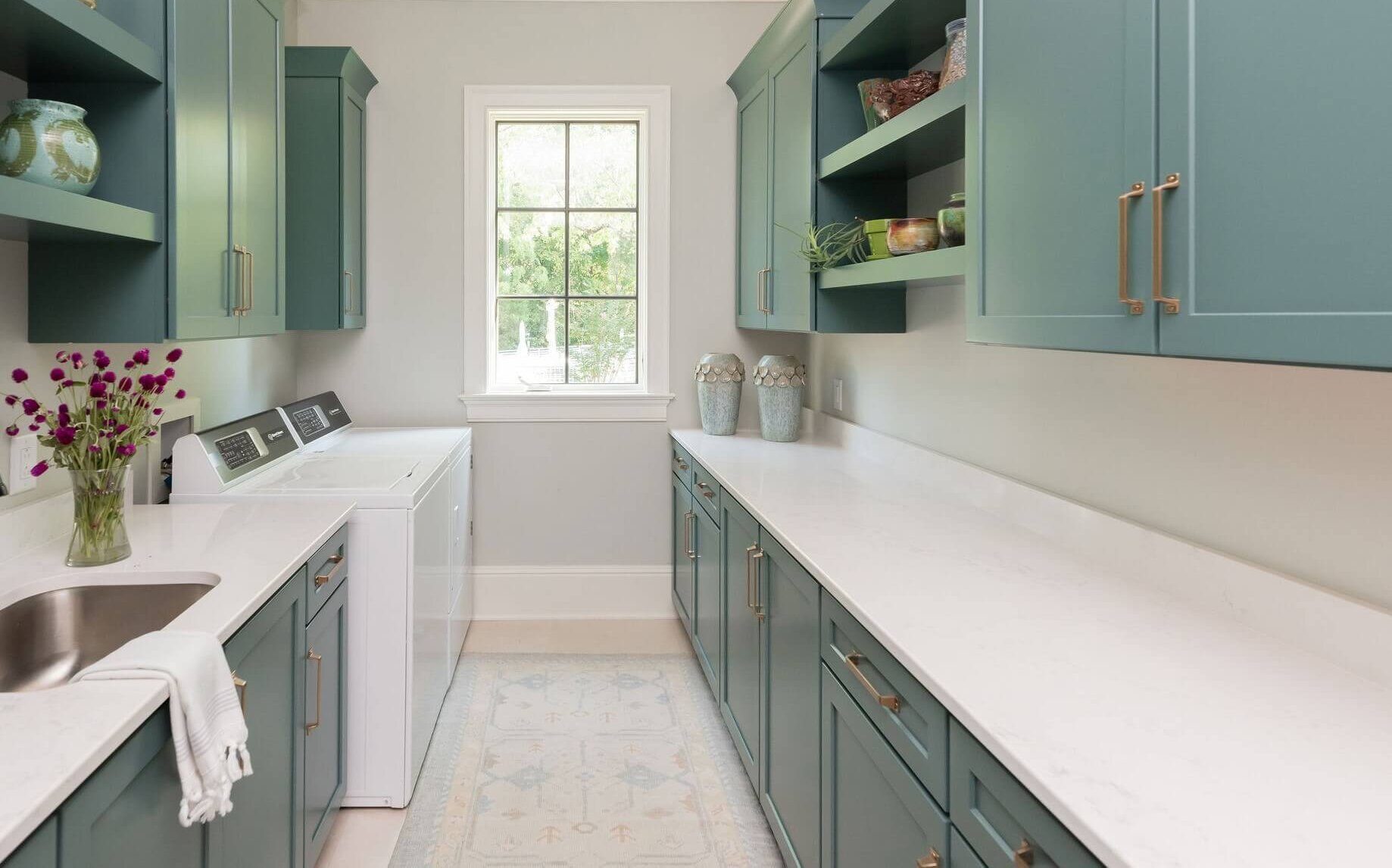
Elevate your laundry room with thoughtful design! From bold colors to playful patterns and calming natural elements, discover how to transform this functional space into an inspiring and stylish retreat.
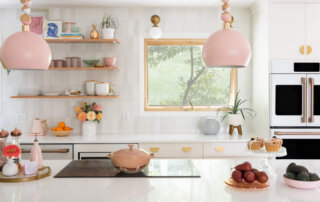
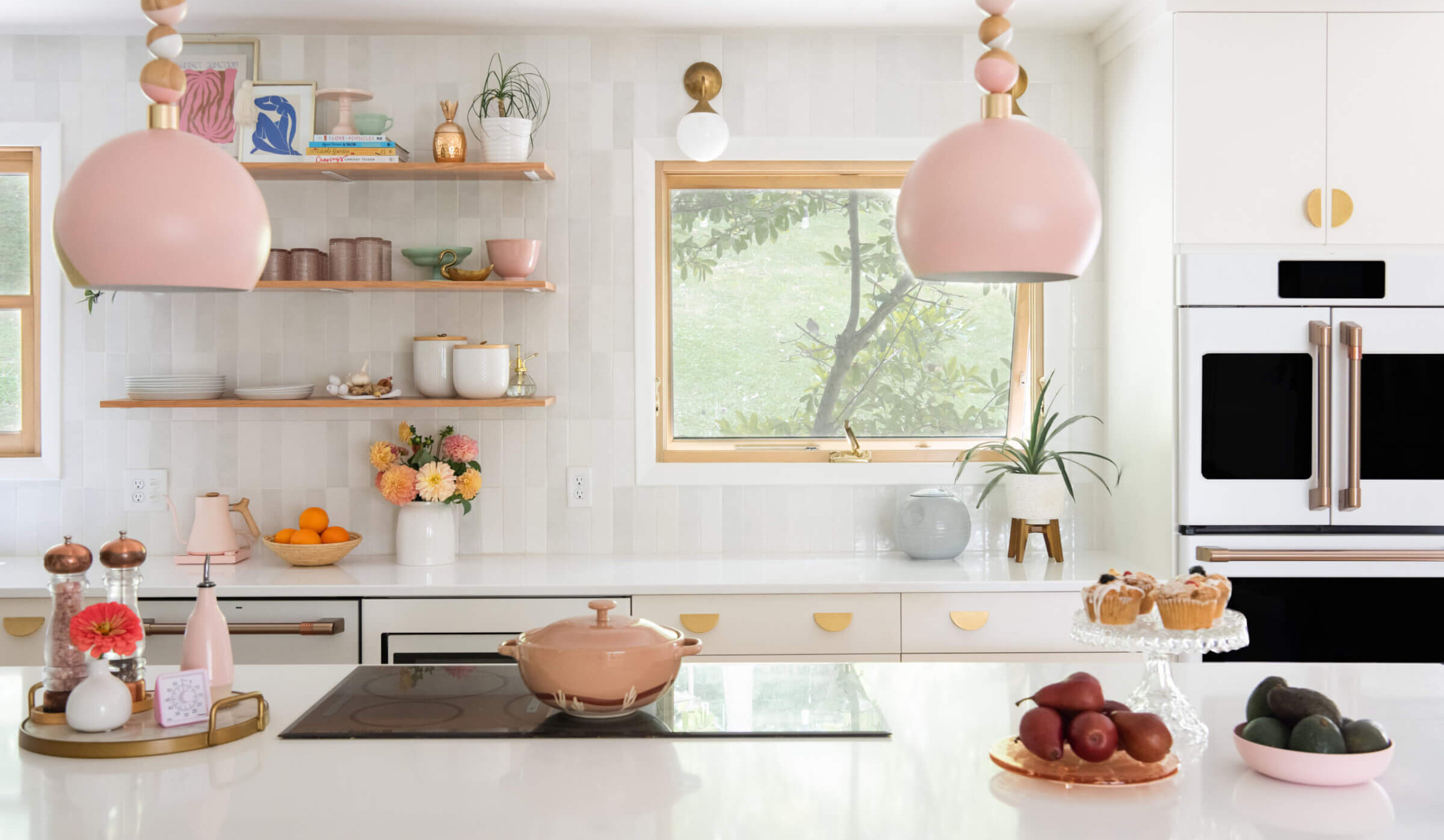
Kitchen decor can be tricky, but when done with care and consideration, it can create a charming effect that will delight your guests.
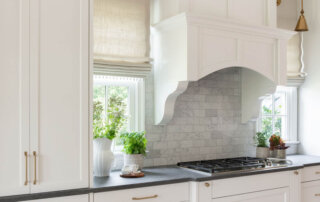
Don't overlook the importance of window treatments. Window coverings can be functional, purely decorative, or both!
Painting is the fastest, most cost-efficient design refresh. Here are 5 ideas of things to paint other than your walls!
Your front porch sets the tone for your home, making it essential to create a welcoming space. Embrace the potential of your front porch and make it a favorite spot for relaxation and connection.
Incorporate light colors, breathable fabrics, and nature-inspired elements to create a vibrant, airy atmosphere that captures the essence of summer. Transform your living space into a summer haven with these tips.
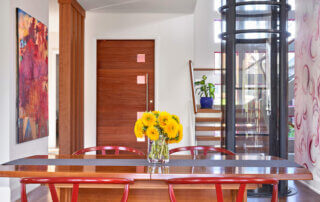
From showcasing local art to incorporating eye-catching wallpaper, these decor suggestions promise to breathe new life into your hallways.